
Pattern 01
Male pattern hair loss
Often develops gradually, with recession at the temples or hairline and/or thinning around the crown. The pattern and pace differ between individuals.
Explore modern hair transplant options with senior dermatologist Dr. Kailash Kumar Jha (MD PMCH Patna). Start with a careful assessment, clear expectations and a plan shaped around you.
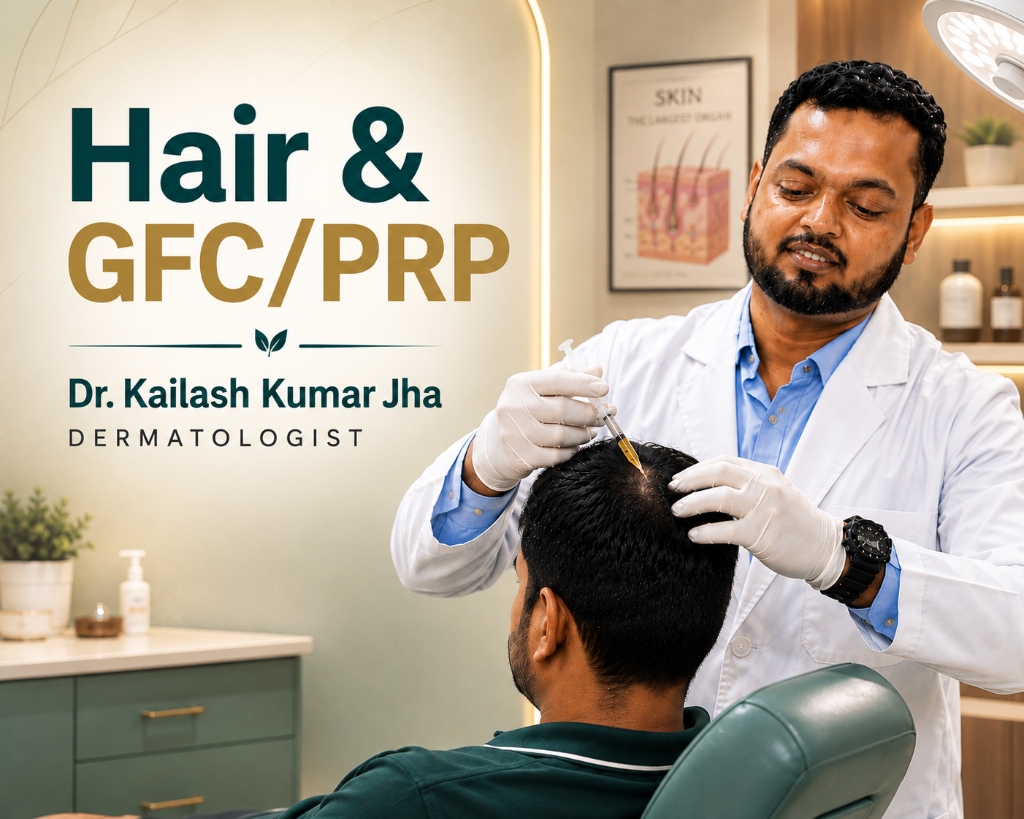
Doctor-led assessment
MD Dermatology PMCH
Understanding hair transplantation
Hair transplantation moves follicles from a donor area—usually the back or sides of the scalp—to areas affected by thinning. A careful diagnosis comes first: not every type of hair loss is suitable for surgery, and a transplant cannot create new follicles.
A good plan considers your pattern of hair loss, donor supply, facial proportions and the possibility of future thinning. Your consultation should cover realistic density, risks, recovery and whether medical treatment may also help protect existing hair.
Where thinning appears, how quickly it changes and whether shedding is widespread all offer clues. They do not confirm a diagnosis on their own.
Why the cause matters
Treatment should address the reason for hair loss. A transplant may not be suitable when shedding is active or its cause has not been evaluated.
Often develops gradually, with recession at the temples or hairline and/or thinning around the crown. The pattern and pace differ between individuals.
May appear as gradual thinning over the top of the scalp or a widening part. The frontal hairline and overall pattern can vary.
These areas can change at different rates. Mapping where density is changing helps distinguish a pattern and track progression over time.
Diffuse shedding can follow illness, major stress, childbirth, nutrition or medication changes; progressive thinning may develop more gradually. Similar symptoms can have different causes.
Suitability is individual
There is no single checklist that can decide candidacy. Assessment brings together the cause and stability of hair loss, donor characteristics, scalp health and what you hope to achieve.
The amount, distribution, thickness and characteristics of donor hair influence what can be planned.
The type of loss and whether it is still changing help determine if surgery is timely or another approach should be considered first.
Scalp conditions, general health and medicines or supplements may affect suitability, procedure planning and healing.
Age is considered alongside the likely future pattern. Density and coverage have limits, so expectations should be discussed openly.
The donor area
The donor area is the part of the scalp from which follicles may be taken for transplantation. The back and sides are commonly evaluated because hair there can be less affected by some common patterns of hair loss—but this is not true for everyone.
Donor density, hair calibre, scalp condition and the way hair grows all influence the plan. The supply is limited: taking too much can leave visible thinning or scarring in the donor area. Every patient has different boundaries and needs an individual examination.
A responsible plan considers both the recipient area and how the donor area will look after healing.
Schematic view
Simplified scale model only. Exact donor extraction capacity and hairline placement are calculated by Dr. Kailash Jha during your in-person consultation.
Hairline design
A hairline should be considered in relation to facial proportions, age, existing hair pattern and likely future change. A design that suits one person may not suit another.
Shape, balance and future pattern
This is a visual explanation, not a prescribed hairline or promise of a particular density or result.
Proportion. The face and existing hairline help guide a balanced outline.
Age and pattern. Planning should account for how hair loss may continue over time.
Density and coverage. Available donor hair limits coverage; a transplant may not recreate original density.
Your options
The right choice depends on your scalp, donor area, goals and the clinician’s assessment.
Follicular Unit Excision
Individual follicular units are removed from the donor area and placed into areas of thinning. It avoids a linear donor scar, though small dot scars may remain.
May be considered
May be considered when shorter hairstyles or avoiding a linear donor scar are priorities.
Follicular Unit Transplantation
A narrow strip of hair-bearing scalp is removed and carefully divided into naturally occurring follicular units for placement.
May be considered
May suit some patients who need a larger number of grafts in one session.
Direct Hair Implantation
A method of placing extracted follicles using a specialized implanter. DHI is an implantation approach, commonly paired with FUE harvesting.
May be considered
The placement approach is selected around your scalp, hairline design and treatment plan.
Comparing care pathways
These approaches serve different purposes. The choice begins with finding out why hair is changing.
Surgical
Moves follicles from a donor area to selected areas of thinning. It can redistribute hair, but does not diagnose or stop the underlying process that may affect non-transplanted hair.
Requires suitability assessment, surgical planning and recovery.
Non-surgical
May focus on diagnosing and managing an underlying cause, reducing ongoing shedding or helping protect existing hair. Some people may be managed without surgery.
Specific options depend on diagnosis, health and clinician evaluation.
A clinician can discuss whether medical management, surgery, a combination or another approach is appropriate. This page does not recommend a medicine or dose.
Why choose our clinic
Your hair-loss story is personal. We take time to understand the cause and discuss suitable next steps without rushing the decision.
Book an AppointmentA focused evaluation of your scalp and hair concerns.
Options discussed in the context of your needs.
Honest conversations about limitations, risks and timelines.
Guidance through aftercare and follow-up.
A clear process
Discuss your hair-loss history, goals and health. A scalp and donor-area assessment helps determine whether surgery may be appropriate.
If suitable, your clinician plans a natural-looking hairline and discusses the technique, expected coverage, limitations and costs.
The donor area is prepared and follicles are harvested and placed under local anaesthesia. The duration depends on your plan and graft count.
You receive aftercare instructions and follow-up support. New growth takes time and results develop gradually over several months.
A general view of recovery and hair growth, from procedure day through longer-term follow-up.
Recovery and hair growth vary between individuals. These general milestones are not guaranteed; follow your treating doctor’s instructions.
Shared by our clients
Moments shared by clients throughout their hair restoration journey.
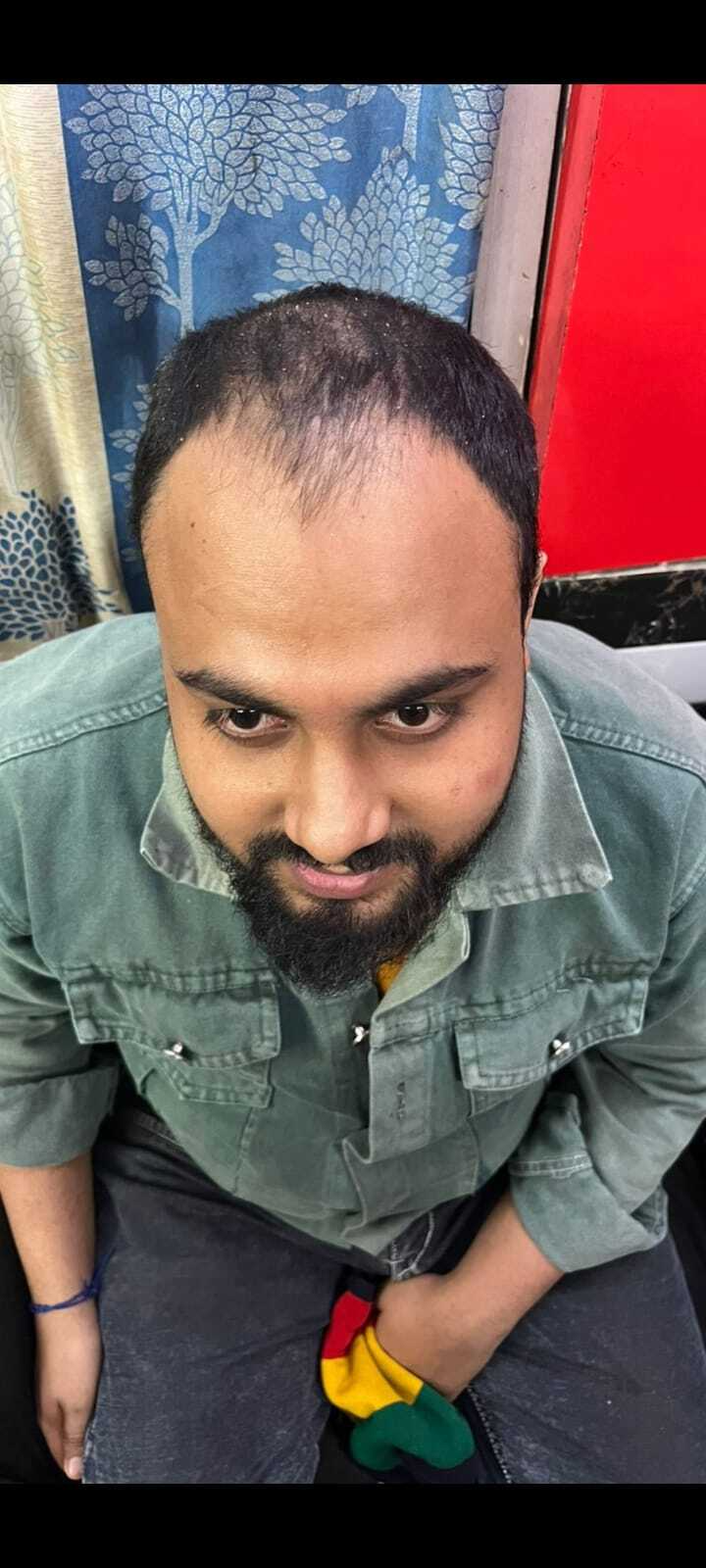

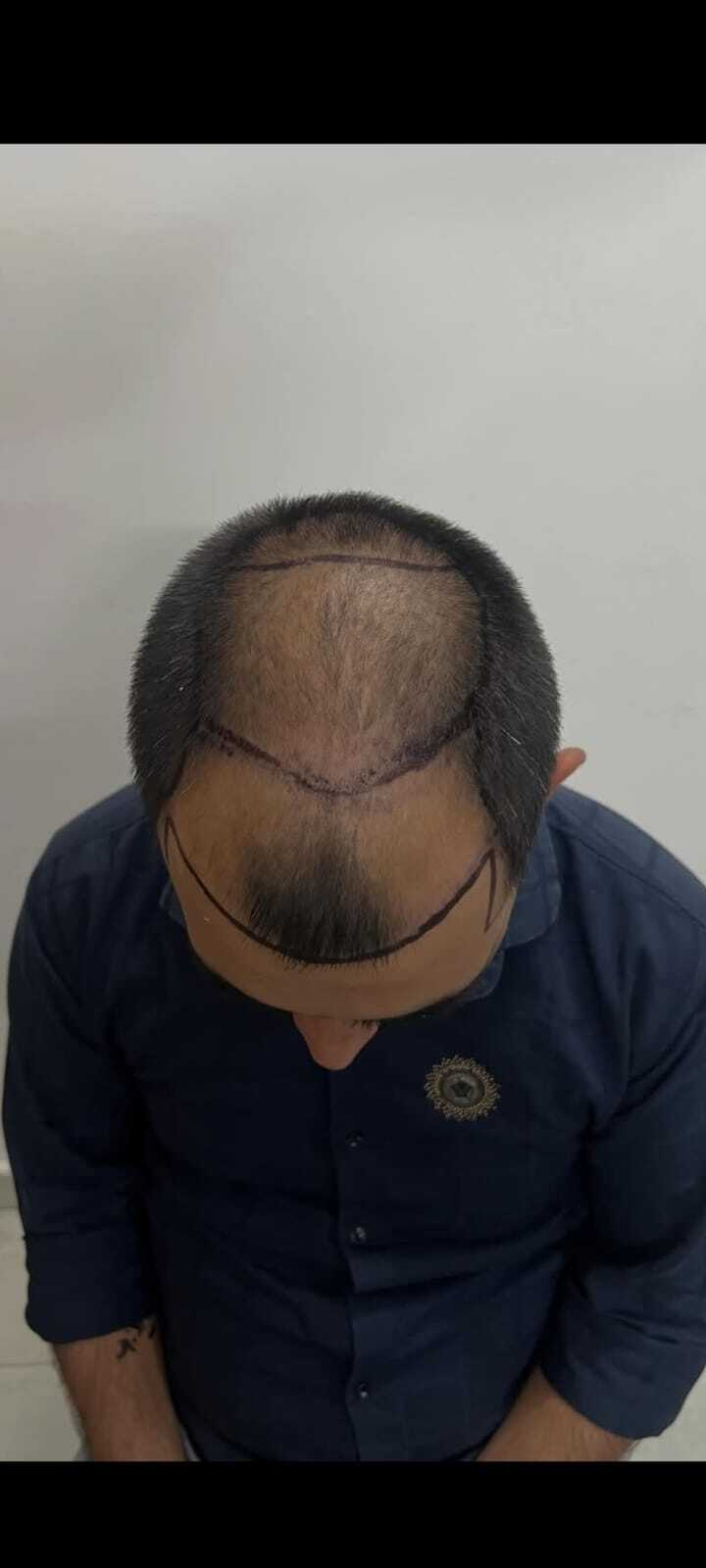
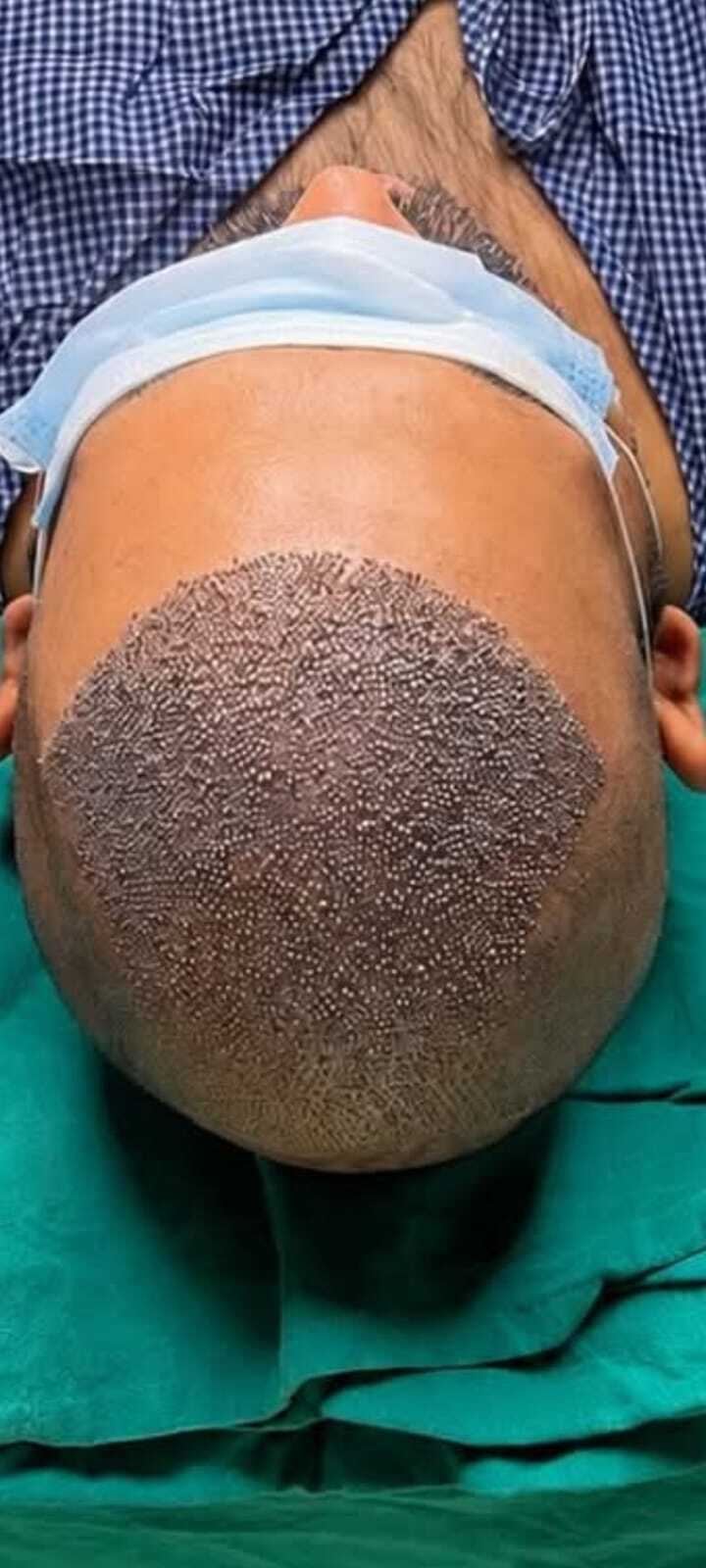
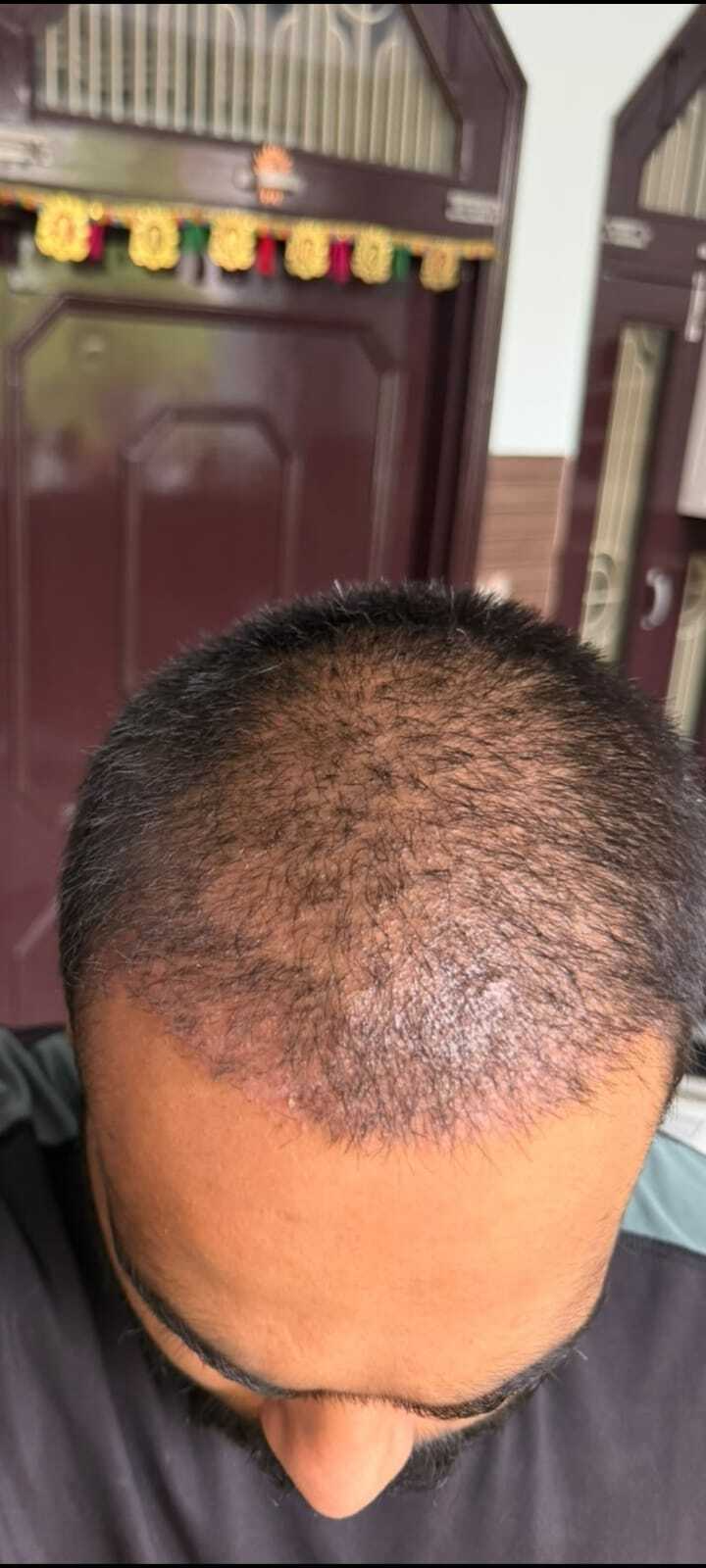
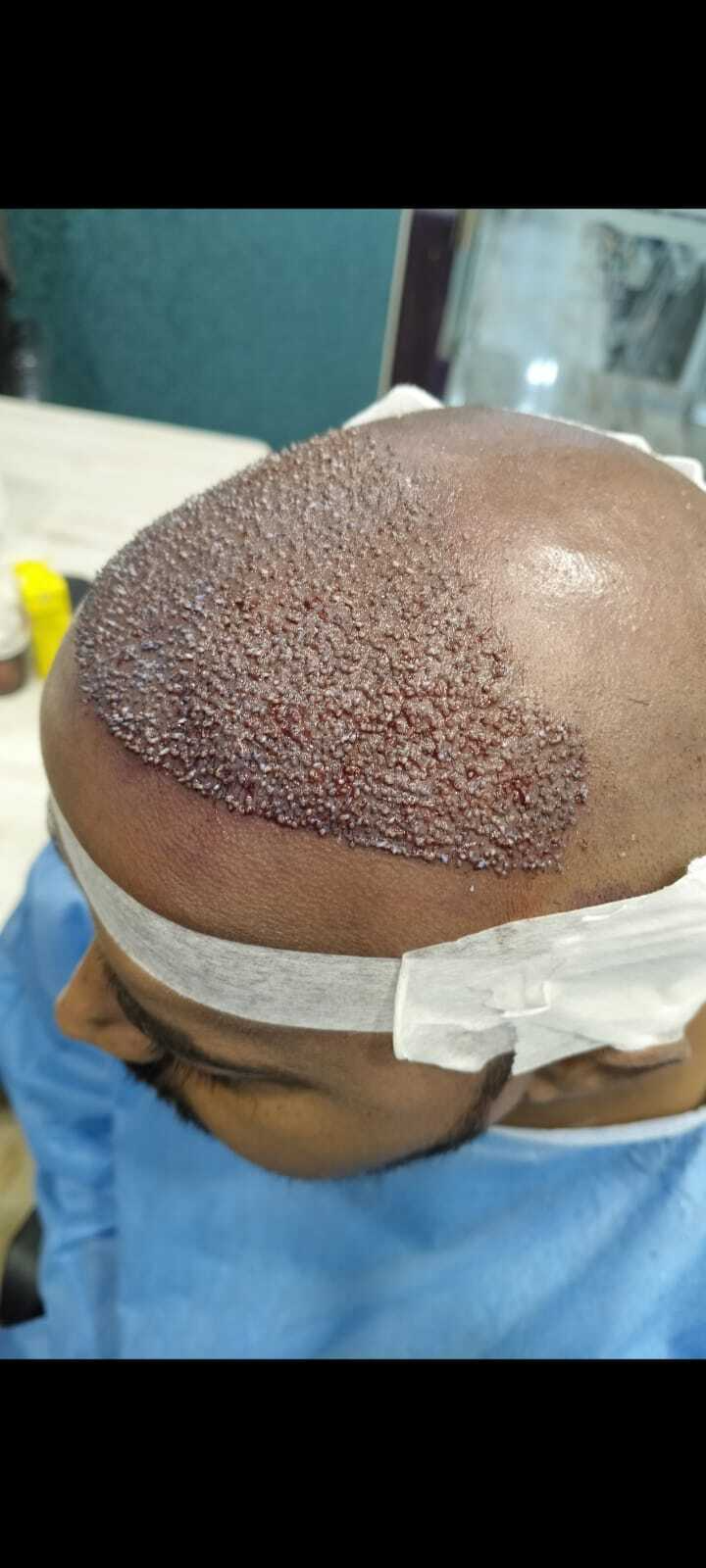
Visual reference
Illustrative clinical imagery only—not before-and-after results from our clinic. Individual outcomes vary and cannot be guaranteed.
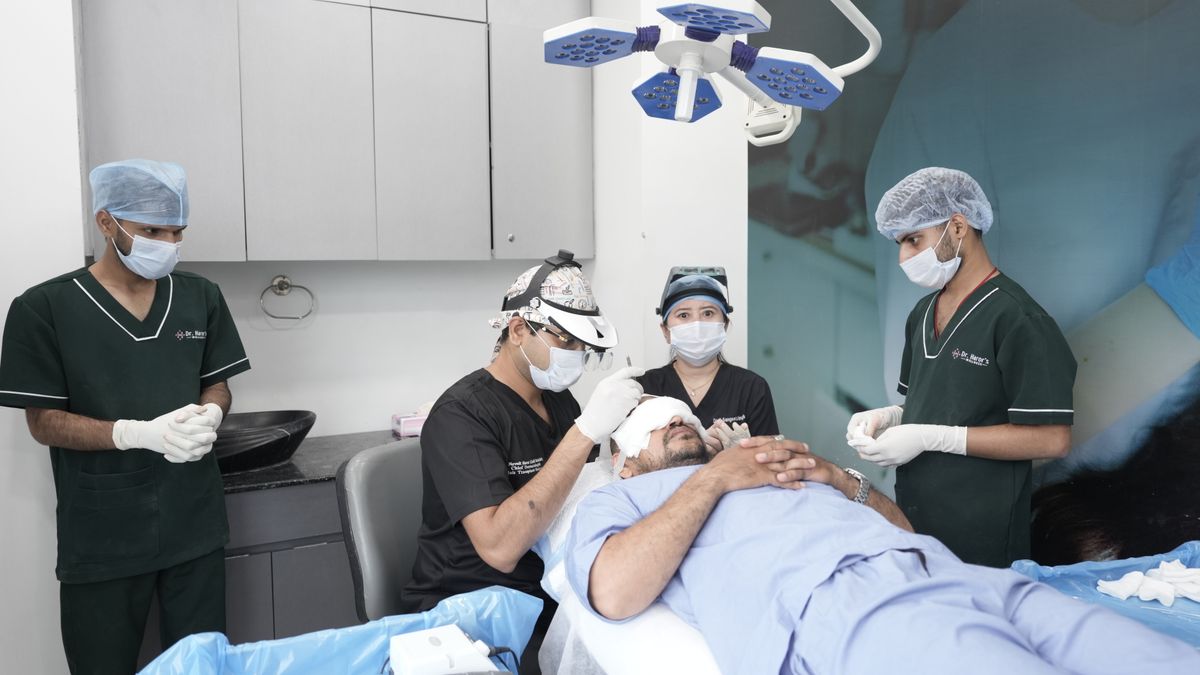
Authentic before-and-after cases should only be shared with patient consent. Ask during your consultation about expected outcomes for your individual situation.
Recovery & aftercare
Recovery differs from person to person and between techniques. Follow the plan from your treating clinician, including washing, medication and activity guidance.
Patience matters. Healing varies between individuals. Follow your clinician’s aftercare plan and contact the clinic with concerns.
Handle the scalp gently and avoid rubbing, scratching or pressure as instructed.
Use only the washing method and products recommended by your clinical team.
Ask when it is appropriate to resume exercise, swimming and strenuous work.
Contact your clinic if you have concerns and attend planned reviews to track healing.
Make an informed decision
Hair transplantation is surgery. Possible side effects, complications and cosmetic outcomes vary with the individual, the procedure and healing.
Ask your treating clinician to explain risks specific to your health, the proposed technique and aftercare before you decide.
Tenderness, swelling or bleeding around the treated area may occur. The extent and duration differ between individuals.
As with surgery that involves the skin, infection and scarring are possible. Scars may occur in donor or recipient areas.
The scalp can feel numb, tingly or different to the touch during healing. How long this lasts varies.
Some transplanted or nearby hairs may shed after the procedure. This does not predict the eventual growth for an individual.
Growth, density, direction and appearance may be uneven or differ from expectations. A particular result cannot be guaranteed.
Hair outside the transplanted area may continue to thin, changing the overall pattern over time.
This list is not exhaustive and is not a substitute for informed consent or advice about your individual situation. Contact your clinical team about severe, worsening or unexpected symptoms.
Answers before you begin
Suitability depends on the cause and stability of hair loss, donor-hair availability, scalp health, age, medical history and expectations. A clinical consultation is needed before recommending surgery.
There is no single best technique for everyone. FUE and FUT describe ways to harvest donor hair; DHI describes an implantation approach. Your clinician can explain which options fit your goals and donor area.
Transplanted hairs commonly shed in the first few weeks. New growth is gradual; many patients see changes over 6–9 months, with maturation sometimes taking 12 months or longer.
Early healing varies by technique and individual. Scabs often settle over roughly 1–2 weeks, while return to exercise, hair washing and work should follow your treating clinician’s instructions.
A transplant redistributes existing follicles and does not stop non-transplanted hair from thinning. Your clinician may discuss ongoing hair-loss treatment as part of a long-term plan.
Your next step
Get personalized guidance on your hair loss, transplant candidacy and the options that may suit you.
Book an Appointment